Building a Solid Death Team Without Expensive Cards


Greetings again, Splinterlands warriors!
Hard to believe it, but we’re just two weeks away from closing out this year. My personal goal is actually quite ambitious: reaching 7,500 Hive Power before the New Year. Even though I’m currently still at around 7K Hive Power, it’s something to be grateful for. Slow progress, but steady. And while chasing that target, of course I’m still actively playing and experimenting with different strategies in Splinterlands.
This time, I want to share a story about one of the most solid teams that consistently brings me victories, especially when I’m playing with the Death element. For some reason, the more I play, the more I feel “in sync” with Death. Maybe because I’ve upgraded several of its monsters, or maybe because of its sneaky, weakening, and downright frustrating playstyle 😄.
My Go-To Death Team: Cohesive, Sneaky, and Perfectly Synergized

The core formation I use most often—and the one that really clicks for me—consists of:
- Ujurak Brave (Level 5) – with Silence
- Dark Arborist (Level 4) – with Demoralize
- Chaos Jailer (Level 2) – with Ambush and Poison
- Arachne Weaver (Level 2) – with Corrupted Healing
- Supported by Archon Reklah, with the signature effect -2 HP to 2 enemy monsters

At first glance, the lineup looks small—only four monsters (not counting a situational tank). But that’s exactly where its strength lies. This team doesn’t win through brute force. Instead, it slowly weakens the opponent, then finishes them off at just the right moment.
Why This Combination Works So Well
For me, these four monsters feel extremely cohesive because their roles lock together perfectly:
Silence from Ujurak Brave reduces incoming magic damage.
Demoralize from Dark Arborist weakens melee attacks.
Chaos Jailer acts as the main executioner:
- Ambush allows him to strike before the round even begins
- Poison quickly eliminates low-HP targets
Arachne Weaver keeps the team from collapsing thanks to team-wide healing.
On top of that, Archon Reklah’s -2 HP effect often immediately pushes enemy monsters into the “lowest HP” category, making them prime targets for Opportunity/Ambush. From that point on, the tempo of the battle usually swings heavily in my favor.
First Battle: Breaking Through Thick Defenses
My opponent relied on Thanalorian Scion, a monster with an annoying level of defense thanks to its shield. Honestly, without poison, taking this card down would have taken a long time.

But as soon as the battle started, Chaos Jailer immediately went to work with Ambush. The poison kicked in, and slowly but surely, the supposedly sturdy Thanalorian Scion fell first. Meanwhile, Halfling Refugee on my side managed to survive longer thanks to the healing from Arachne Weaver.
Even though the opponent tried to play it safe with a shield-heavy lineup, the combination of debuffs + poison + healing kept my team in control until the very end.
For the full battle replay, you can watch it here:
Second Battle: Deadly Explosive Weaponry
This time, the opponent brought Mahkah Hemlig along with a lineup of Earth-element monsters. Once Archon Reklah’s -2 HP effect activated, Mahkah Hemlig instantly became an easy target.

Combined with the Explosive Weaponry ruleset, Chaos Jailer’s opening attack didn’t just take down the main target—it also dealt blast damage to adjacent monsters. The result? By the very first round, three enemy monsters were already eliminated.
That said, I do feel there was still a weakness in this match—specifically, the lack of ranged damage reduction. Even so, the team’s core concept worked beautifully once again:
weaken → poison → endure → heal.
For the full battle replay, you can watch it here:
Reflections for the Community and New Players
One of the most valuable lessons often shared within the Splinterlands community is the importance of understanding synergy, not just rarity or high levels. This team is a perfect example. There are no expensive legendary cards here, but because each role supports the others, the results are remarkably consistent.
For newer players, understanding:
- when to reduce enemy damage,
- when to target low-HP monsters,
- and when to hold the line with healing,
is far more important than simply chasing individually powerful cards.
Conclusion
This Death team taught me one key lesson:
victory doesn’t always come from the biggest damage numbers, but from controlling the flow of the game.
If you enjoy a tactical playstyle—one that frustrates opponents and wins through clever, calculated moves—the Death element is absolutely worth exploring. Upgrade your cards gradually, understand their roles, and don’t hesitate to learn from replays shared by other players in the community.
My advice is simple: focus on team synergy, not just expensive cards. From there, victories usually follow on their own.

Talk about Splinterlands,
If you haven't tried out this fantastic game called Splinterlands yet, I invite you to Join.
It's free, but you'll need to invest in a beginning deck or buy gaming cards to gain real assets like cards and tokens.
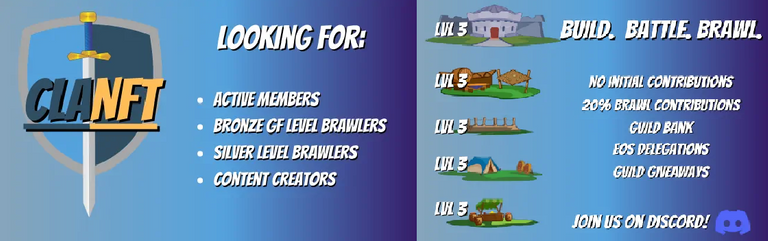
If you already joined the splinterlands, and are looking for a place to grow. We need YOU. We are a chill, social guild looking for a few more active members! If you think you might be a fit, join us in our Discord
!PIZZA
!PAKX
View or trade
PAKXtokens.Use !PAKX command if you hold enough balance to call for a @pakx vote on worthy posts! More details available on PAKX Blog.
$PIZZA slices delivered:
@bhattg(1/15) tipped @rqr4
Send $PIZZA tips in Discord via tip.cc!
Thanks for sharing! - @mango-juice
